Phones, laptops, tablets and desktop computers are now part of everyday life. If a long day in front of a screen leaves you with burning eyes, dryness, headache, blurred vision or difficulty shifting focus, you may be experiencing Digital Eye Strain, also known as Computer Vision Syndrome (CVS).
Computer Vision Syndrome is not one single disease. It describes a group of eye, vision and even neck-and-shoulder symptoms associated with prolonged digital-device use. Common complaints include eyestrain, headaches, blurred vision, dry eyes and neck or shoulder discomfort.
The important point is this: Digital Eye Strain is not simply a “blue light problem.” Several different factors can contribute — and finding the right cause matters more than buying a one-size-fits-all remedy.
What Are the Symptoms of Digital Eye Strain?
You may notice one or more of the following during or after prolonged screen use:
- Burning, dryness, irritation or a gritty sensation
- Watering of the eyes
- Eye fatigue or heaviness
- Headache
- Temporary or fluctuating blurred vision
- Difficulty changing focus from near to far
- Double or unstable vision in some people
- Neck, shoulder or back discomfort
Symptoms can result from a combination of ocular-surface dryness, refractive error, focusing or binocular-vision problems, screen ergonomics and prolonged visual demand. If symptoms keep returning, simply reducing screen brightness may not identify the actual problem.
Why Do Screens Cause Dry Eyes?
One important part of Digital Eye Strain is dry eye.
When we become deeply engaged with a digital screen, our blinking pattern can change. Reduced or incomplete blinking leaves the ocular surface exposed for longer, which can contribute to tear-film instability and dryness. Dry eye and ocular-surface problems are recognized contributors to Computer Vision Syndrome.
That is why someone may experience: screen use → altered blinking → unstable tear film → burning, grittiness or fluctuating vision.
Dry eye can also have different components, so symptoms alone do not always tell the whole story. Read more about our dry eye clinic in Ara.
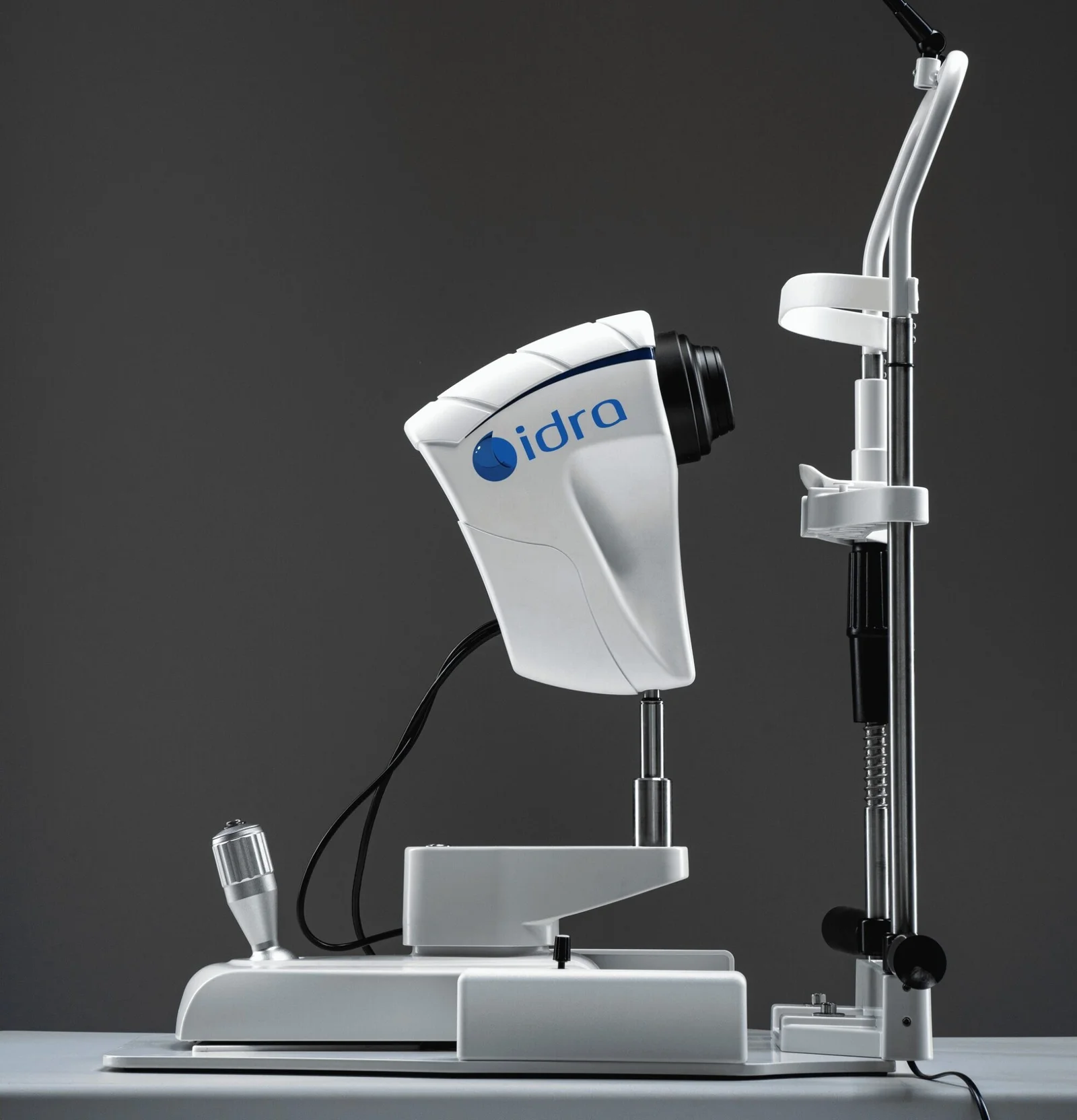
How Can IDRA Dry Eye Assessment Help?
Modern dry-eye assessment can look beyond symptoms. The IDRA dry-eye platform can assess several aspects of the ocular surface depending on its configuration, including:
- Non-invasive tear break-up time (NIBUT)
- Tear meniscus
- Tear-film lipid layer
- Meibomian glands
- Blink quality in applicable configurations
- Ocular-surface imaging
These measurements can help the clinician build a more objective picture of tear-film health. At Madhavi Netralaya, dry-eye assessment can form one part of a broader evaluation for patients whose screen-related symptoms suggest an ocular-surface component.
Do Blue Light Blocking Glasses Prevent Digital Eye Strain?
This is one of the most common myths surrounding screen use. Blue-light-filtering glasses are not a magical treatment for Digital Eye Strain.
A Cochrane systematic review of randomized trials found that blue-light-filtering spectacles may not provide a meaningful short-term advantage for visual fatigue compared with non-blue-light-filtering lenses, and the evidence for sleep-related benefits from the glasses themselves remains uncertain.
That does not mean light exposure is irrelevant. Bright, blue-rich light in the evening can interact with circadian timing, which is why reducing intense screen exposure close to bedtime may be sensible. But that is different from claiming that blue-blocking spectacles prevent eye strain or screen-related myopia.
For screen comfort, it is usually more useful to consider the correct prescription, appropriate lens design, anti-reflective coating when indicated, blinking, breaks, dry-eye management and ergonomics — rather than relying on a blue filter alone.
What Is the 20-20-20 Rule?
One of the easiest screen habits to remember is the 20-20-20 rule:
- Every 20 minutes
- Look about 20 feet away
- For at least 20 seconds
The American Optometric Association describes the 20-20-20 rule as a practical way to give your visual system regular breaks during digital-device use. And remember the bonus “B”: blink.
A break is more useful when you genuinely disengage from continuous near focus rather than switching from a laptop to a phone.
Can Screen Time Affect Focusing?
Yes. Digital Eye Strain is not always dry eye.
Your eyes continually change focus as you move from a nearby phone or computer to something farther away. This focusing function is called accommodation, and it works alongside binocular coordination.
Problems with accommodation or vergence can aggravate symptoms during prolonged near work and may be associated with eyestrain, headache, blur or difficulty changing focus. That is why a patient who says “my laptop is clear, but when I look across the room everything stays blurred for a while” may need more than lubricating drops.
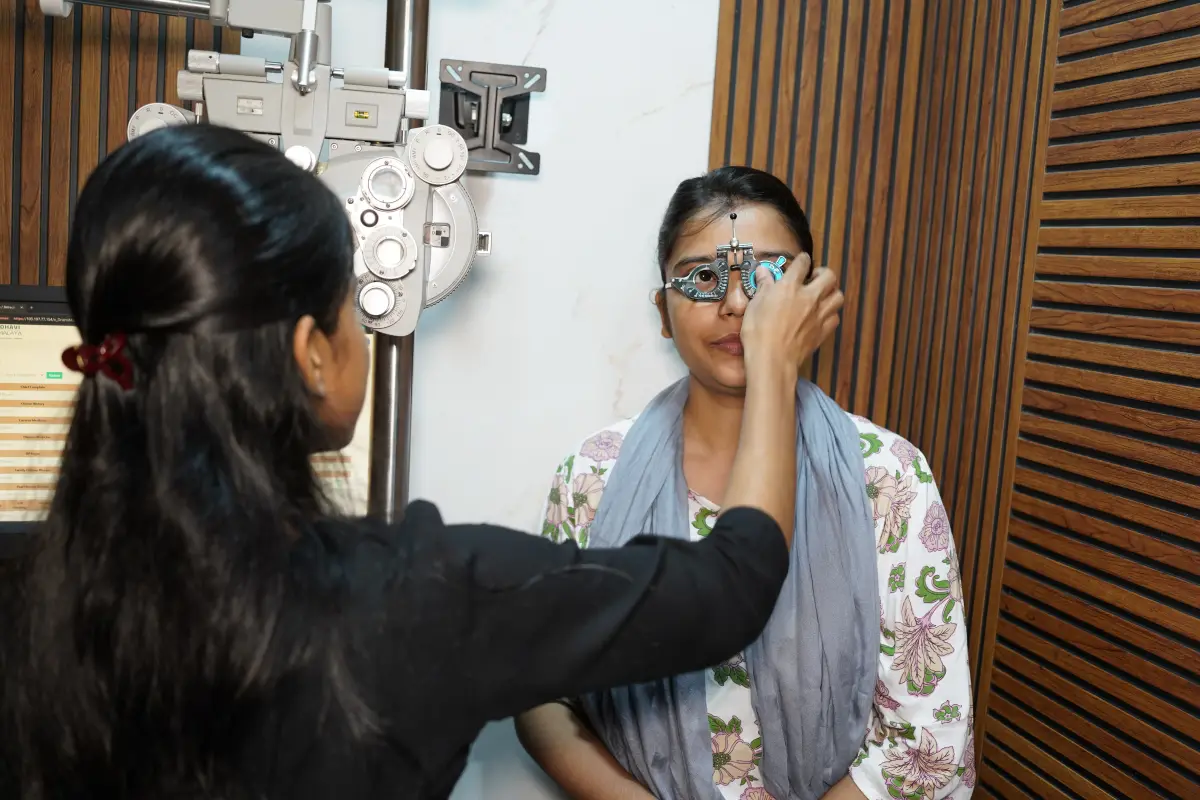
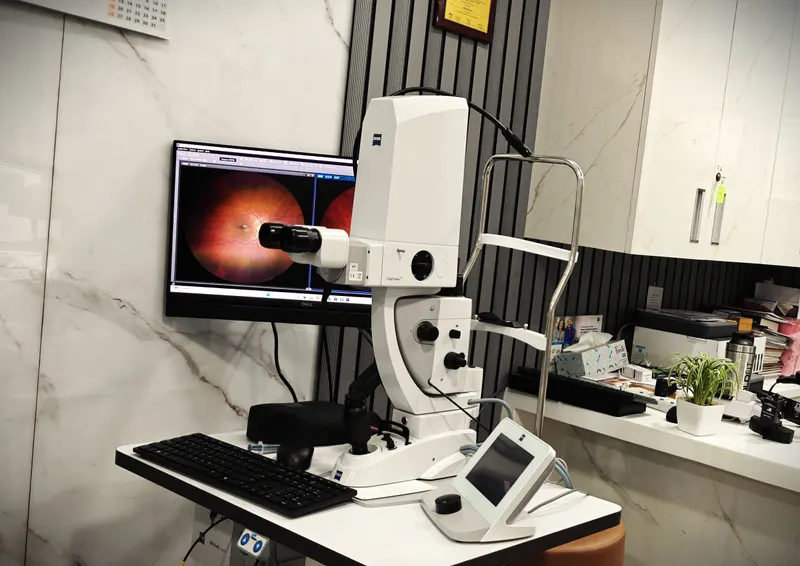
A comprehensive assessment can consider refraction, accommodation, binocular vision and the ocular surface before deciding on management.
Where Does Bynocs DeStrain Fit?
For selected patients in whom assessment identifies an accommodative or binocular-vision component, guided digital vision therapy may be considered.
Bynocs describes DeStrain as a digital platform that combines assessment with structured, game-based visual exercises and may use accessories such as anaglyph glasses or flippers. It should not be presented as a treatment required by every person with screen fatigue.
The sensible pathway is: assess → identify the problem → select therapy when indicated → reassess.
How Much Screen Time Is Appropriate for Children?
For parents, this question deserves special attention. The Indian Academy of Pediatrics recommends:
| Age | Screen-use guidance |
|---|---|
| Below 2 years | Avoid routine screen exposure |
| 2–5 years | Maximum about 1 hour/day, supervised |
| 5–10 years | Less than 2 hours/day |
| Older children and adolescents | Focus on balance — screen use should not replace sleep, study, exercise, outdoor activity or family and social interaction |
These are digital-wellness recommendations, not a stopwatch after which eye damage suddenly occurs. For children especially, the conversation should not be limited to “how many hours?” Good visual habits, adequate outdoor activity, appropriate viewing distance, sleep and regular eye assessment when indicated all matter. Our pediatric eye care page covers children’s eye checks in Ara.
A More Complete Approach to Digital Eye Strain
Because Digital Eye Strain can have several causes, management should be individualized. At Madhavi Netralaya, Ara, evaluation may include appropriate components such as:
1. Proper refraction
Checking whether an uncorrected or incorrect spectacle prescription is adding to visual stress.
2. IDRA dry eye assessment
Evaluating tear-film and ocular-surface factors when dryness is suspected.
3. Appropriate spectacle solutions
Using the correct prescription and suitable high-quality lenses, including anti-reflective coatings when appropriate — not treating blue-light filtering as a universal cure.
4. Accommodation and binocular-vision assessment
Looking for focusing or eye-coordination problems when symptoms suggest them.
5. Bynocs DeStrain in selected cases
Considering guided digital vision therapy when an appropriate accommodative or binocular indication has been established.
When Should You Get Your Eyes Checked?
Consider a comprehensive eye evaluation if screen-related symptoms are persistent, recurrent or interfering with work, study or daily life, particularly if you notice recurring blur, significant dryness, headaches or difficulty shifting focus.
Digital screens may be unavoidable. Uncomfortable vision does not have to be.
Frequently asked questions
What is Digital Eye Strain?
Digital Eye Strain, or Computer Vision Syndrome, refers to eye and vision symptoms associated with prolonged use of computers, phones, tablets and other digital screens.
Do blue light glasses cure Digital Eye Strain?
Current evidence does not support blue-light-filtering spectacles as a universal remedy for screen-related eye strain.
What is the 20-20-20 rule?
Every 20 minutes, look at something about 20 feet away for at least 20 seconds.
Can computer use cause dry eyes?
Prolonged screen use can alter blinking and contribute to tear-film instability and dry-eye symptoms.
Digital Eye Strain evaluation at Madhavi Netralaya
Madhavi Netralaya, Ara
Near Maharaja College Gate, South Ramna Road, Ara, Bihar 802301
24/7 Toll-Free: 1800-571-9090
Book a consultation · Dry eye and computer vision clinic
SEE SMART. STAY CURIOUS.
This article is general education and does not replace examination by an ophthalmologist. Claims about blue-light glasses, dry eye, children’s screen time and DeStrain follow published guidance and are not a prescription for every patient.