Glaucoma is the world's leading cause of irreversible blindness — and it steals vision silently, without pain or warning. But today, a painless 10-minute laser treatment can reduce or eliminate the need for lifelong eye drops, permanently protecting what remains of your sight.

Glaucoma damages the optic nerve — the cable connecting your eye to your brain — usually through elevated pressure inside the eye. The tragedy is that peripheral vision is lost first, and the human brain compensates so well that patients often don't notice until over 40% of their nerve fibres are already destroyed.
The cruelty of glaucoma is its silence. Most patients have no pain, no redness, and seemingly normal vision — until the disease has already caused irreversible nerve damage. This is why proactive screening, especially after age 40, is so important.
Selective Laser Trabeculoplasty (SLT) is a gentle, non-invasive laser treatment that improves the drainage of fluid from inside your eye — reducing pressure and protecting the optic nerve. It requires no cuts, no anaesthetic injections, no recovery time, and for many patients, no more daily eye drops.
Glaucoma management is not one-size-fits-all. We offer the full spectrum of interventions, from first-line laser therapy to advanced micro-incisional glaucoma surgeries (MIGS).
A painless, 10-minute cold laser that stimulates the eye's natural drainage pathway. Effective as a first-line treatment for mild to moderate open-angle glaucoma — potentially replacing the need for daily pressure-lowering drops entirely.
A minimally invasive micro-surgical procedure performed through a tiny incision. Creates a direct opening in the trabecular meshwork — the eye's main drainage tissue — to reduce pressure. Can be performed alone or combined with cataract surgery.
A suture-based procedure that creates a 360° trabeculotomy — opening the entire drainage channel around the eye. Highly effective for congenital, juvenile, and secondary open-angle glaucomas where conventional surgery may be less suitable.
The established gold-standard surgical procedure for advanced glaucoma that hasn't responded to laser or medication. Creates a new drainage outlet (bleb) under the conjunctiva to reduce eye pressure significantly and sustainably.
For patients with narrow-angle or angle-closure glaucoma, a tiny laser opening in the peripheral iris allows fluid to flow more freely — preventing dangerous acute angle-closure attacks and protecting vision from sudden pressure spikes.
For eyes that are blind and painful due to end-stage glaucoma, cryoablation reduces pain by lowering pressure — providing relief and preserving dignity for patients who have exhausted other options.
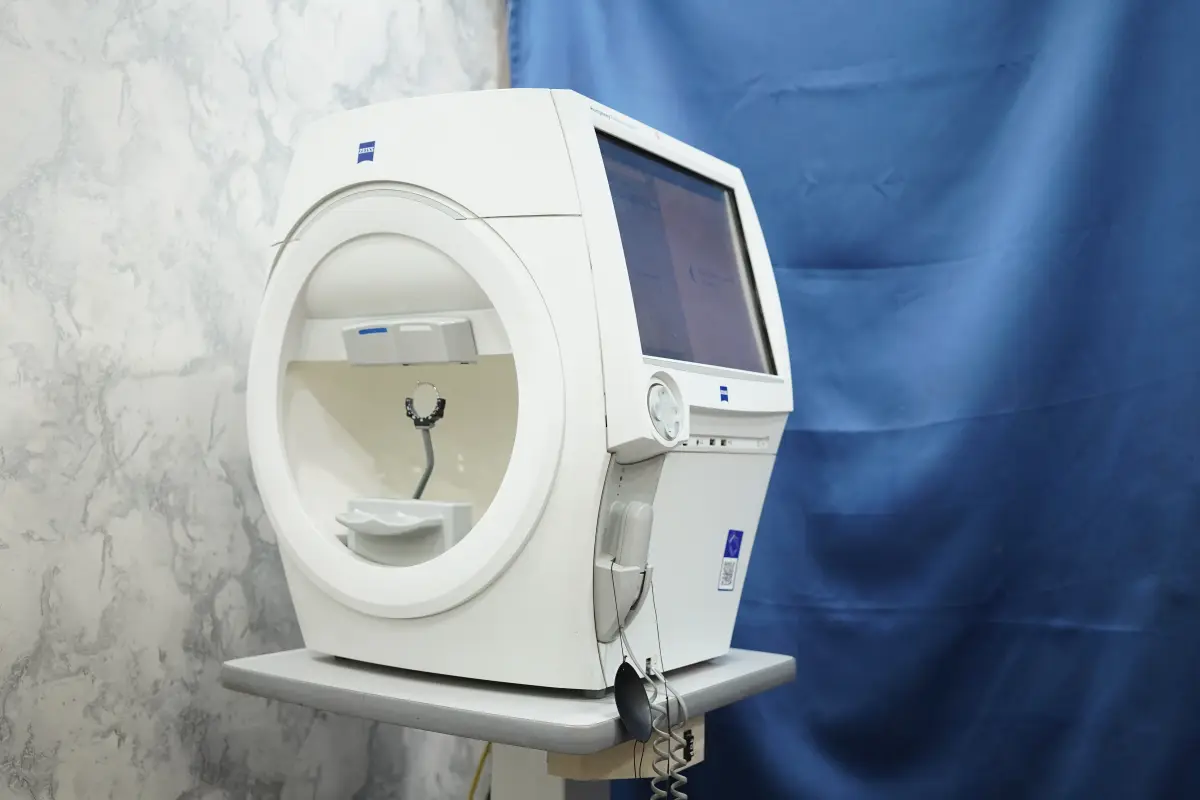
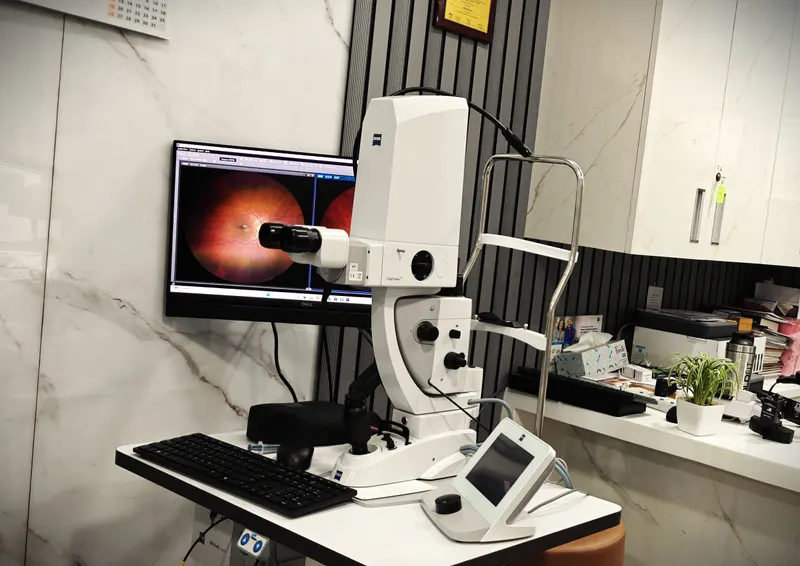
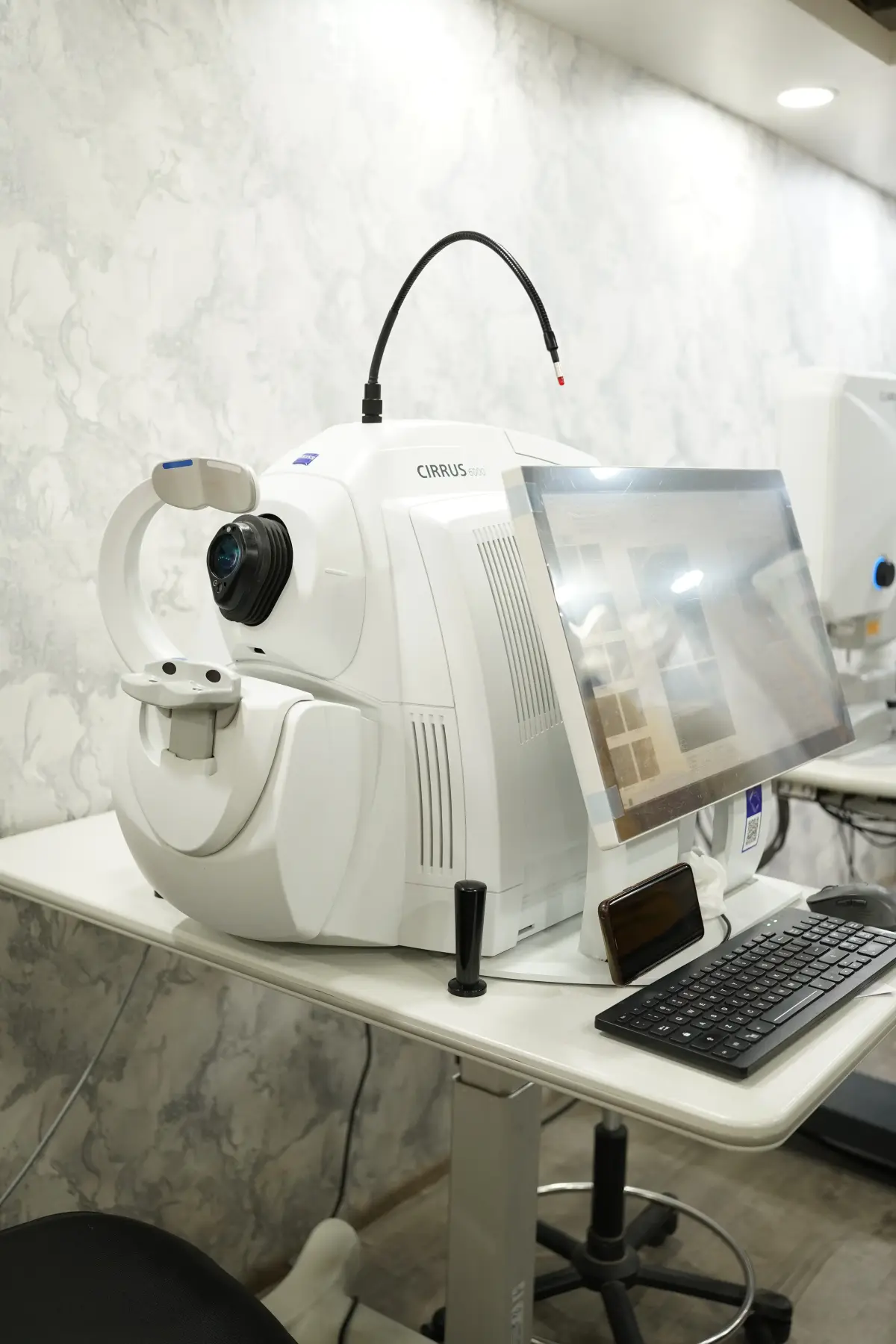
Our glaucoma work-up combines gold-standard visual field testing with precision OCT nerve fibre analysis — detecting structural damage years before it becomes symptomatic.
Glaucoma cannot currently be cured — but it can absolutely be controlled. With early diagnosis and proper treatment, the vast majority of patients retain good functional vision for life. The goal is to prevent further damage, not to reverse what has already occurred.
SLT uses short pulses of low-energy laser to stimulate specific cells in the trabecular meshwork — the eye's drainage tissue. This triggers a biological response that improves fluid outflow and reduces eye pressure. Critically, it is selective: it doesn't damage surrounding tissue, making it safe, repeatable, and effective.
Not necessarily. SLT laser can achieve pressure reduction equivalent to first-line eye drops in many patients, eliminating or significantly reducing drop usage. Some patients do eventually require drops again, but for a significant proportion, SLT provides durable control for 5 or more years.
The test is completely non-invasive and painless. You simply sit at the machine, focus on a central point, and press a button whenever you see a flashing light. It takes 5–10 minutes per eye. Some patients find it tiring to concentrate — it helps to close your eyes and rest briefly between eyes.
First-degree family history of glaucoma increases your risk roughly 4–9 times compared to the general population. We strongly recommend a baseline glaucoma work-up including pressure measurement, visual field testing, and OCT RNFL if any first-degree relative has been diagnosed — even if your own vision feels completely normal.
Many patients manage successfully on drops for years. However, adherence is often poor — studies show patients miss 30–40% of doses. If your pressure is well-controlled and the optic nerve is stable, drops are perfectly fine. But if compliance is difficult or pressure remains elevated, laser or surgical options should be discussed.
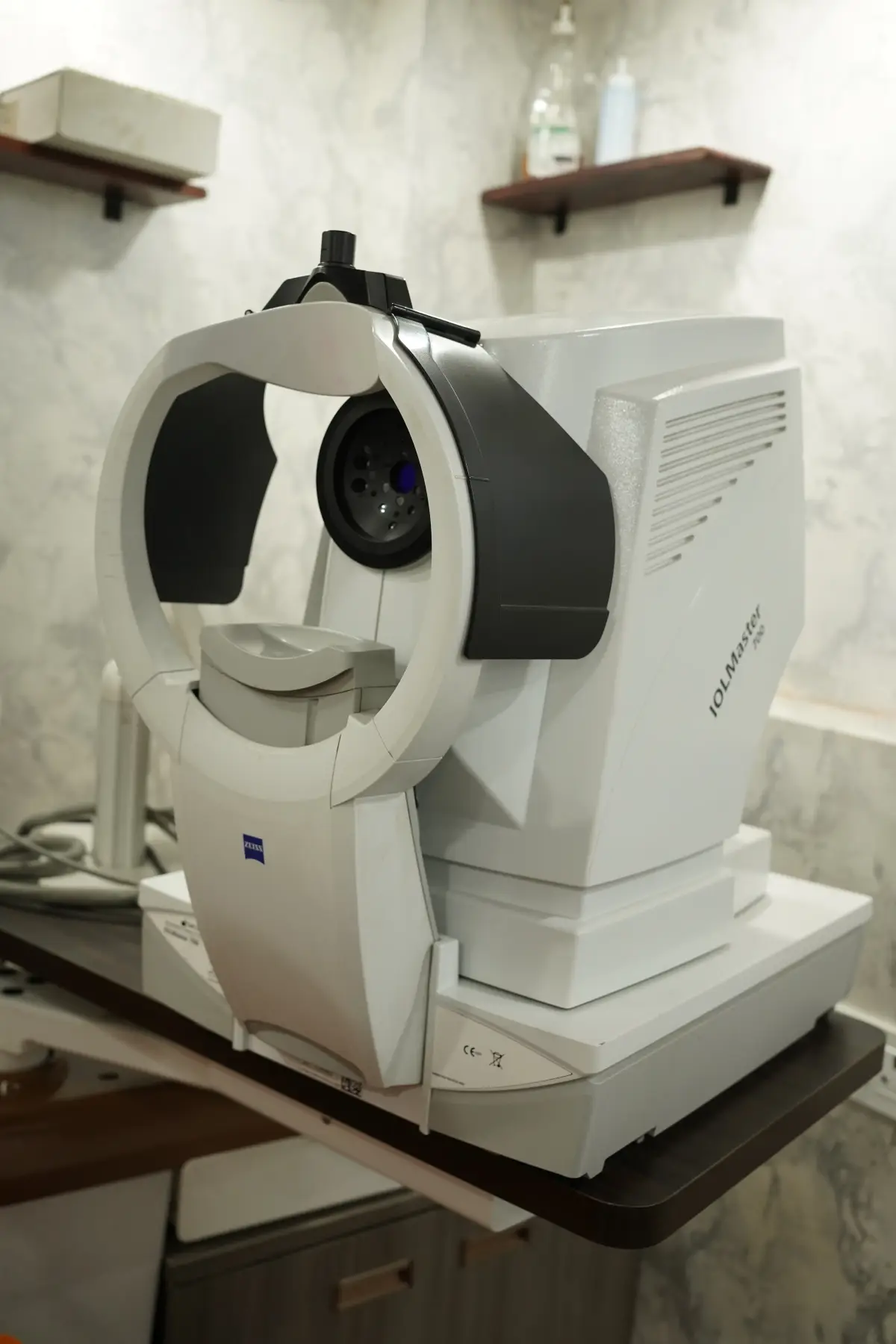
A complete glaucoma baseline work-up — including HFA perimetry, OCT RNFL, and corneal pachymetry — can tell you exactly where you stand and what, if anything, needs to be done. Early detection is the difference between managed disease and irreversible blindness.
Or call: 1800-571-9090